What budget should I plan for a corporate seminar photographer in Paris?
The price of a corporate seminar photographer in Paris depends mainly on the duration of coverage, the number of key moments to be shot (plenary session, workshops, group photo) and the delivery time: here is how this budget is built.
How to prepare a photographer's brief for a seminar?
The difference between a successful report and an average one is made before I even arrive. When I receive a detailed schedule with a list of highlights—keynote speech, awards ceremony, group photo—and the names of key people to identify, I know exactly where and when to position myself. When all I get is a simple "come photograph our seminar," I spend the morning guessing what matters to the company, risking missing a moment a manager was eagerly anticipating.
The detail that saves the most time: a dedicated contact person reachable on site. Without them, a last-minute unforeseen event (a speaker's schedule changing, a room switching) could cause me to miss five crucial minutes without me even realizing it until it's too late.
Scouting, before the room fills up
I always arrive early, not out of overzealousness, but because the lighting in an empty room and a full one is completely different. I look for the best vantage points towards the stage, I identify where the group photo will be taken, and I test the settings before the first speaker takes the stage.
This invisible time, no one sees it in the final deliverables, but it is what avoids the failed images during the plenary: backlighting from a poorly anticipated projector, angle blocked by a pillar discovered too late.
During the plenary session: capture the speaker's attention, not just their smile.
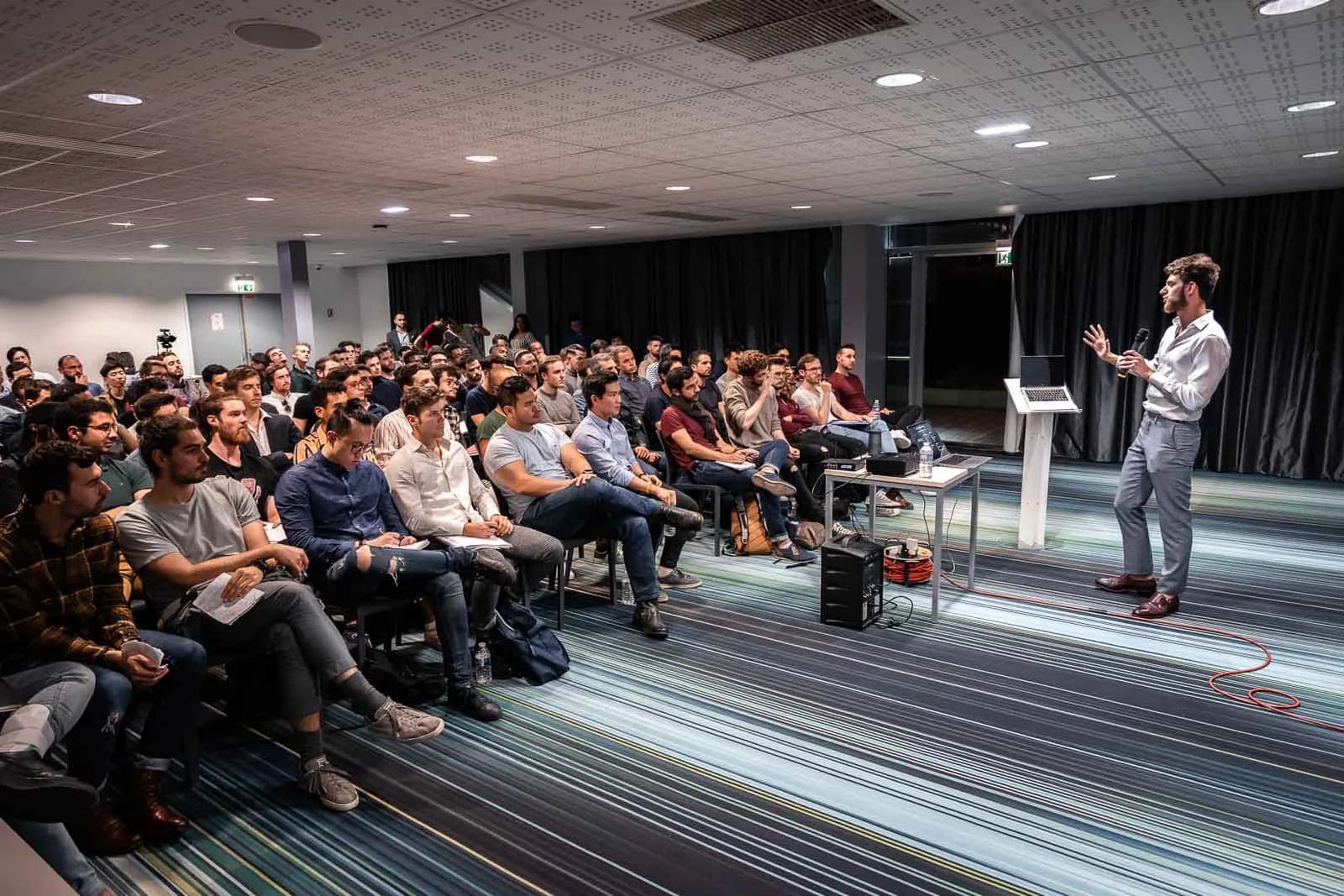
On stage, I'm less interested in a forced smile than in the moment when the speaker truly convinces: a deliberate gesture, a slide that sparks a reaction from the audience, a glance exchanged with the front row. It's these moments that, six months later, are truly valuable in an internal newsletter or a LinkedIn post, far more so than a portrait posed in front of the lectern.
Discretion is paramount here: no frontal flashes to break the concentration of a room, no clicks at the precise moment of silence. A good event reporter makes themselves invisible, and that's precisely what allows them to capture genuine reactions rather than glances towards the camera.
The group photo: twenty minutes of preparation in advance
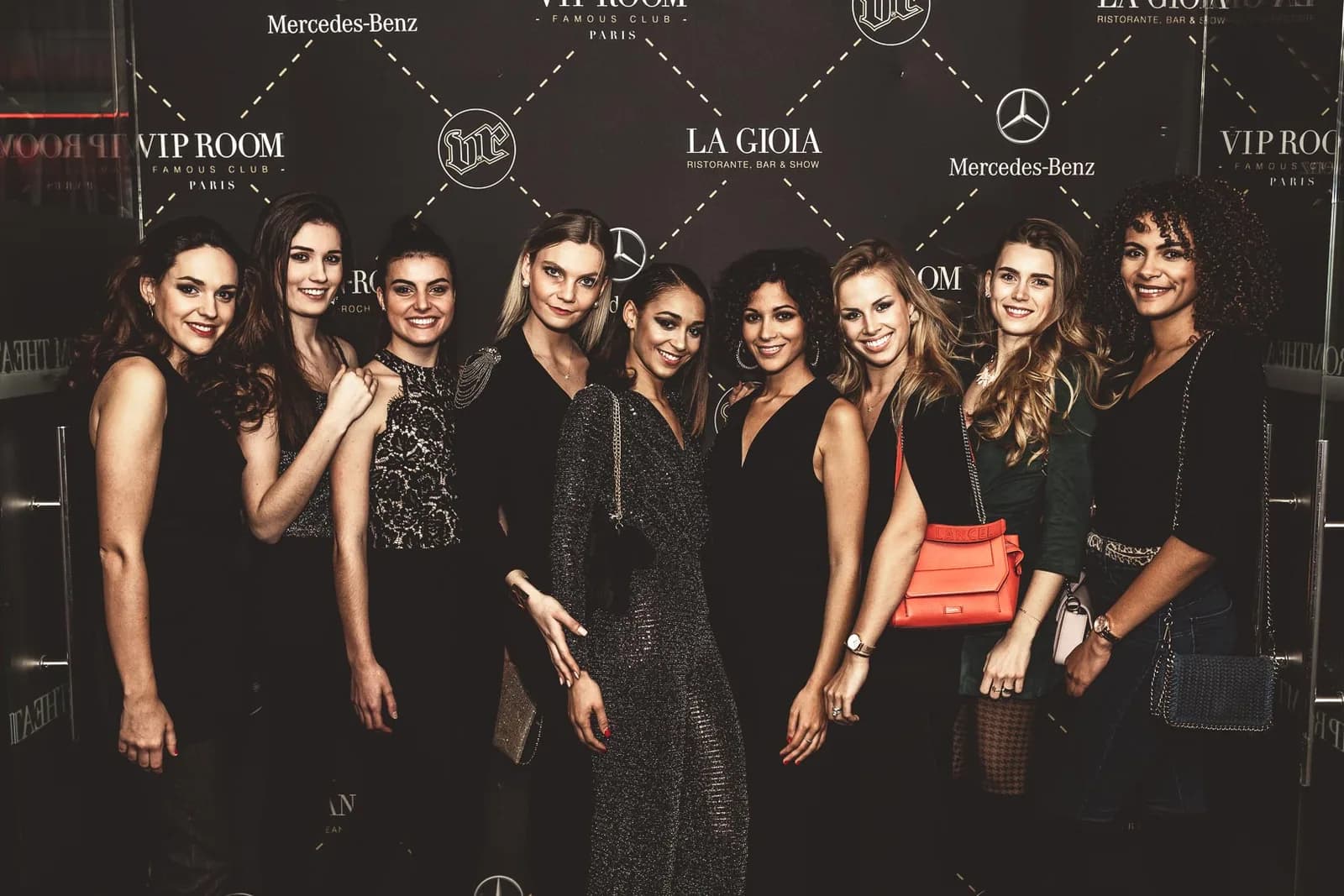
This is the moment I prepare the most in advance, because it's the one that goes wrong the most without organization. A dedicated time slot, a location scouted the day before, and above all, someone on the client side who can gather people quickly: without this support, ten minutes of group photos can turn into thirty minutes of waiting that ruins the rest of the program.
During the workshops and the coffee breaks that follow, I completely change my approach: I look for spontaneous exchanges, conversations between two people who have just met. It is often in these margins, outside the scheduled program, that the photos emerge that best capture the true atmosphere of the day.
Pooling resources: corporate portraits that can be taken on the sidelines
A seminar often brings together managers and employees in the same place, an opportunity that few companies take advantage of. A small dedicated area and a few minutes per person are enough to produce, alongside the main photo shoot, consistent portraits for team pages and LinkedIn, without organizing a second day of shooting.
This is the kind of optimization that is decided in advance, not on the day itself: planning this space and informing the teams beforehand makes all the difference compared to improvising a photo corner between two workshops.
What budget should I plan for a seminar photographer?
The quote must specify the duration of the license, the authorized media (web, print, advertising), and the scope of distribution, whether internal or external. A clear framework avoids any ambiguity when reusing the photos months later. Also, consider the image rights of employees, including a clause on the registration form and an option to decline.
In the Parisian market, event photography is generally billed by the half-day or full day, often ranging from a few hundred to over a thousand euros depending on the duration, complexity, and rights granted. Book early, especially during the back-to-school and end-of-year periods: securing the schedule and hours of coverage in advance guarantees a controlled budget, without last-minute surcharges.
Frequently Asked Questions
What should the brief sent to the photographer contain?
A minute-by-minute program, the highlights not to be missed (keynote address, awards ceremony, group photo), key people to identify, a seating plan, and the final use of the images. A dedicated on-site contact person prevents downtime.
How much time should be allowed for the group photo?
A dedicated time slot, identified in advance, with a client-side contact person who quickly gathers everyone. Without organization, this time can easily encroach on the rest of the program.
Can we take corporate portraits during the seminar?
Yes, it's a good practice: a dedicated corner and a few minutes per person allow you to produce consistent portraits for LinkedIn and team pages, alongside the main report.
How much does it cost to cover a seminar in Paris?
Most often billed by the half-day or full day, from a few hundred to over a thousand euros depending on the duration and the rights granted. The quote is customized to your program.
Never miss an article?
One email whenever a new guide is published, nothing else.