How to pose for a portrait photo when you're not comfortable?
The chin that we reflexively tuck in, the weight poorly distributed on the legs, the hands that don't know where to put: the concrete micro-adjustments that I correct at each session, drawn from field experience.
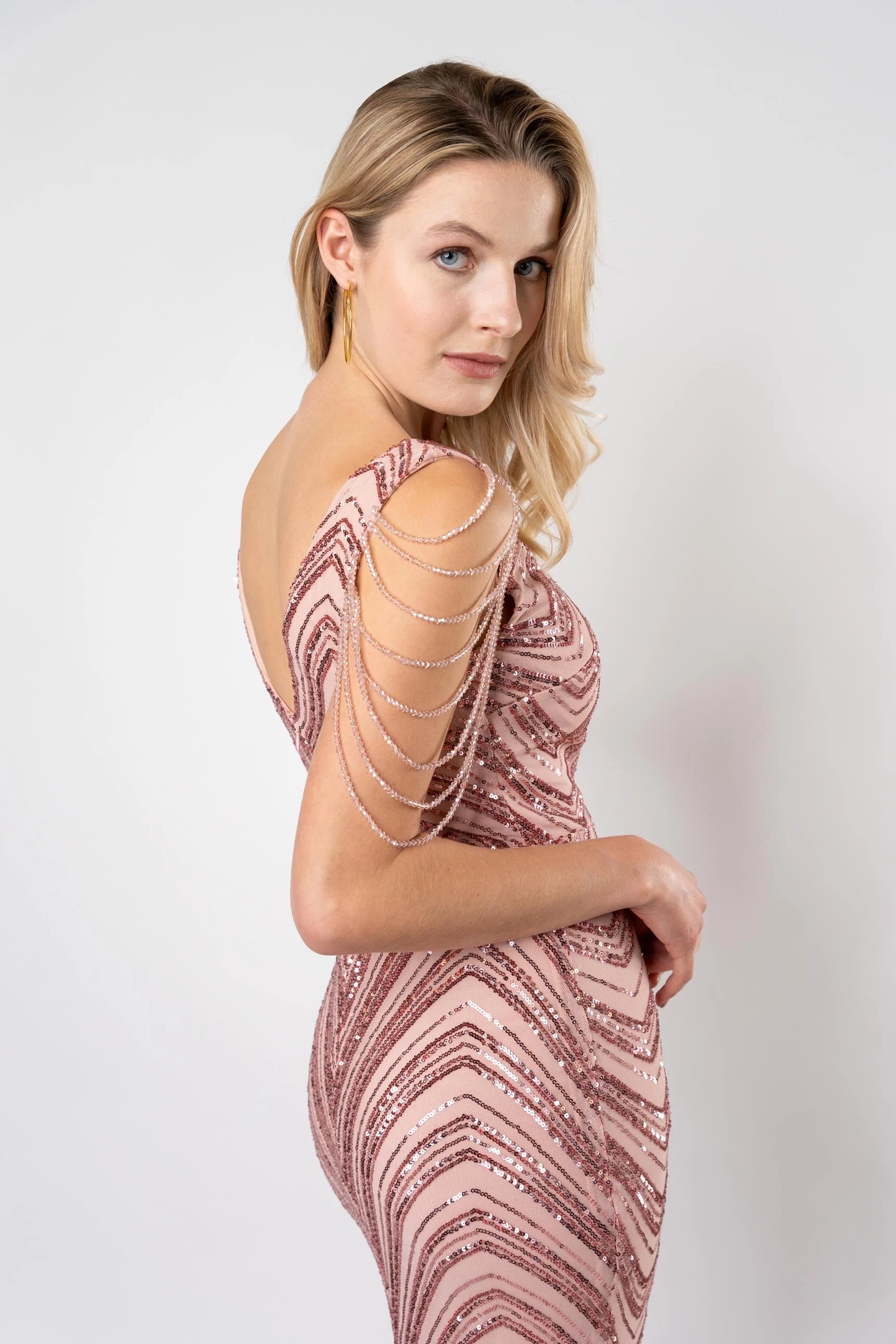
"I'm not photogenic": my answer every time
Feeling self-conscious in front of the camera is the starting point for most of my sessions, without exception, and it's something that can be overcome very quickly. A few simple tips are all it takes to feel comfortable and look your best.
Being photogenic takes practice: a beautiful image depends primarily on light, angle, and guidance, much more than on the face itself. My role is to guide you so you don't have to guess anything on your own. Here are the same 10 micro-adjustments I make during a session.
What pose should I adopt for a portrait?
The most common reflex is to stand squarely facing the camera, shoulders squared: this is precisely the position that widens the silhouette and freezes the pose. Rotate your torso about thirty degrees, with one foot slightly back, to instantly slim your frame.
A simple gesture makes all the difference in defining your jawline: bring your chin towards the camera, then lower it very slightly. This tightens the skin on your neck and shapes your face. Standing up, shift your weight onto your back leg: your posture immediately feels more relaxed, natural, and dynamic.
What angle should I choose for a good pose, and what should I do with my hands?
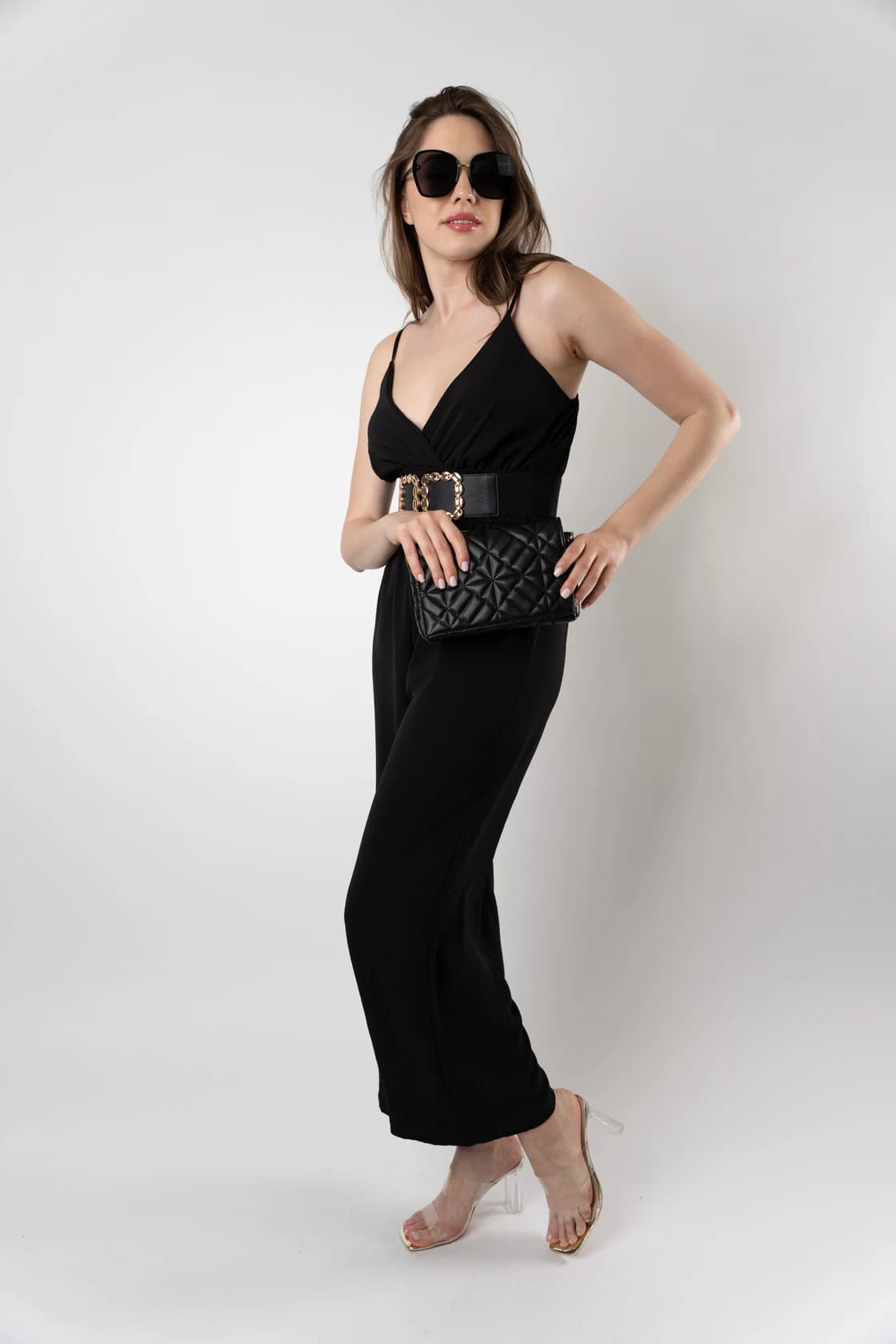
To pose at your best, the secret lies in one word: angles. An arm held close to the chest flattens the silhouette; lift it slightly, leaving a small gap visible at the waist. A hand on the hip, a bent elbow, creates space and lines that enhance the figure. I also recommend creating a slight S-shape with the body (hip shifted to one side, shoulders drawn back to the other) and playing with triangles: one elbow extended, one leg crossed in front of the other. These lines structure the image and give it dynamism, much more so than a blocky silhouette.
"What to do with your hands" is the question I'm asked most often. The rule is simple: keep them busy, with one hand in a pocket or resting on your hip. Keep them relaxed, neither flat nor clenched into a fist, and show the sides rather than the backs.
Shoulders, jaw and breathing
Stress always settles in the same place: the shoulders rise towards the ears, the jaw clenches. Before each take, inhale, then relax your shoulders as you exhale. You immediately gain poise and apparent calm, an effect instantly visible on the monitor.
Also, loosen your jaw and slightly lift your tongue from the roof of your mouth: the lower part of your face will visibly relax. Between takes, shake your hands and roll the back of your neck. Movement breaks up stiffness much better than holding the pose.
A true smile always emerges between two poses.
A forced smile sounds fake, especially in the eyes. Don't think about the smile: think of something specific and funny. I often trigger a genuine laugh right after, when my face naturally falls.
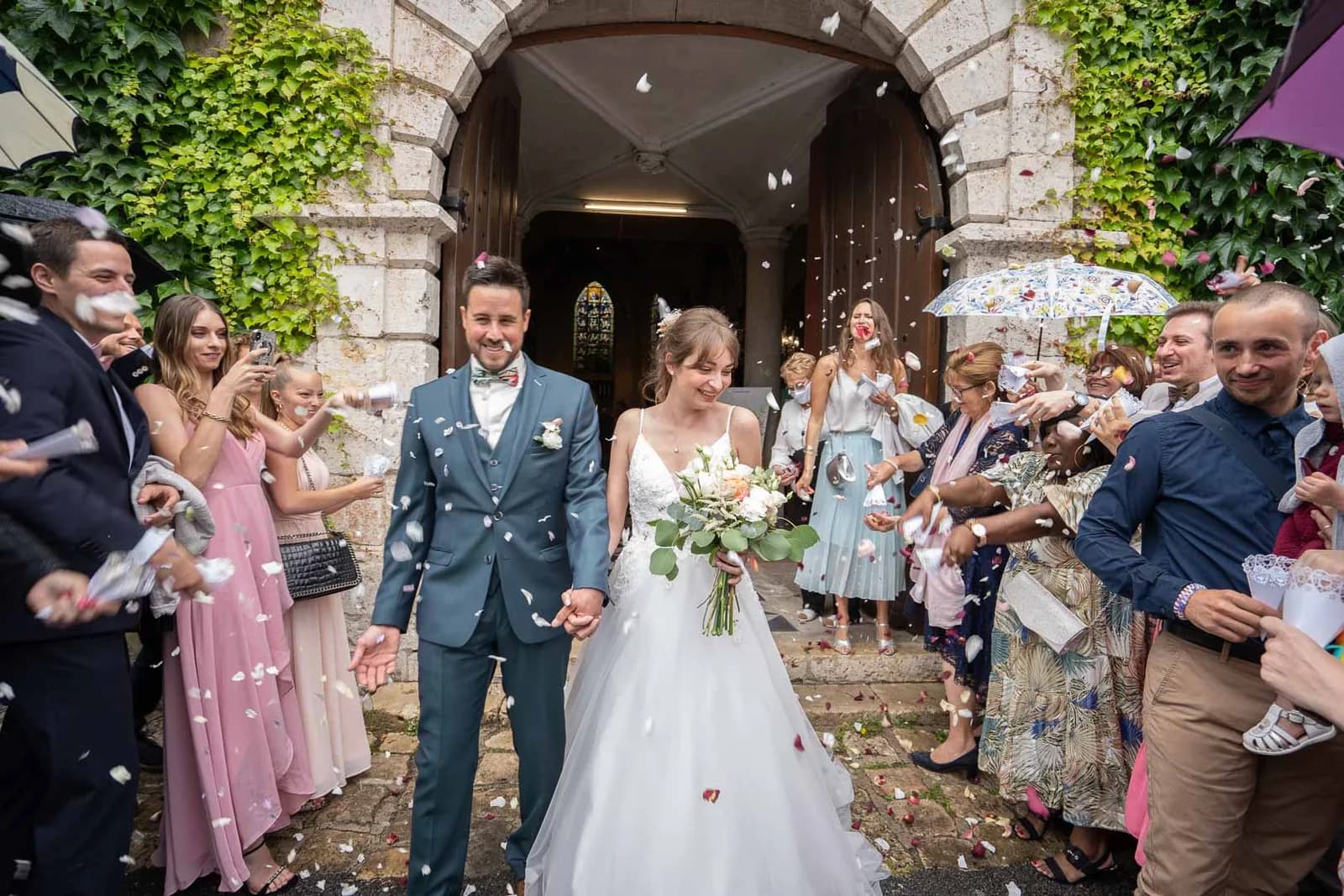
For the gaze, there are two options: directly into the lens for intensity, or slightly off-camera for a softer feel. Move, walk, turn without hesitation: the most natural poses almost always arise from movement. In practice, I often have the person step back slightly and then come back towards me, or shift their weight from one point to the other repeatedly: this back-and-forth always ends up producing a moment where everything aligns naturally—gaze, smile, posture—and it's this spontaneous moment that I try to capture.
How to pose for a corporate portrait or a LinkedIn photo
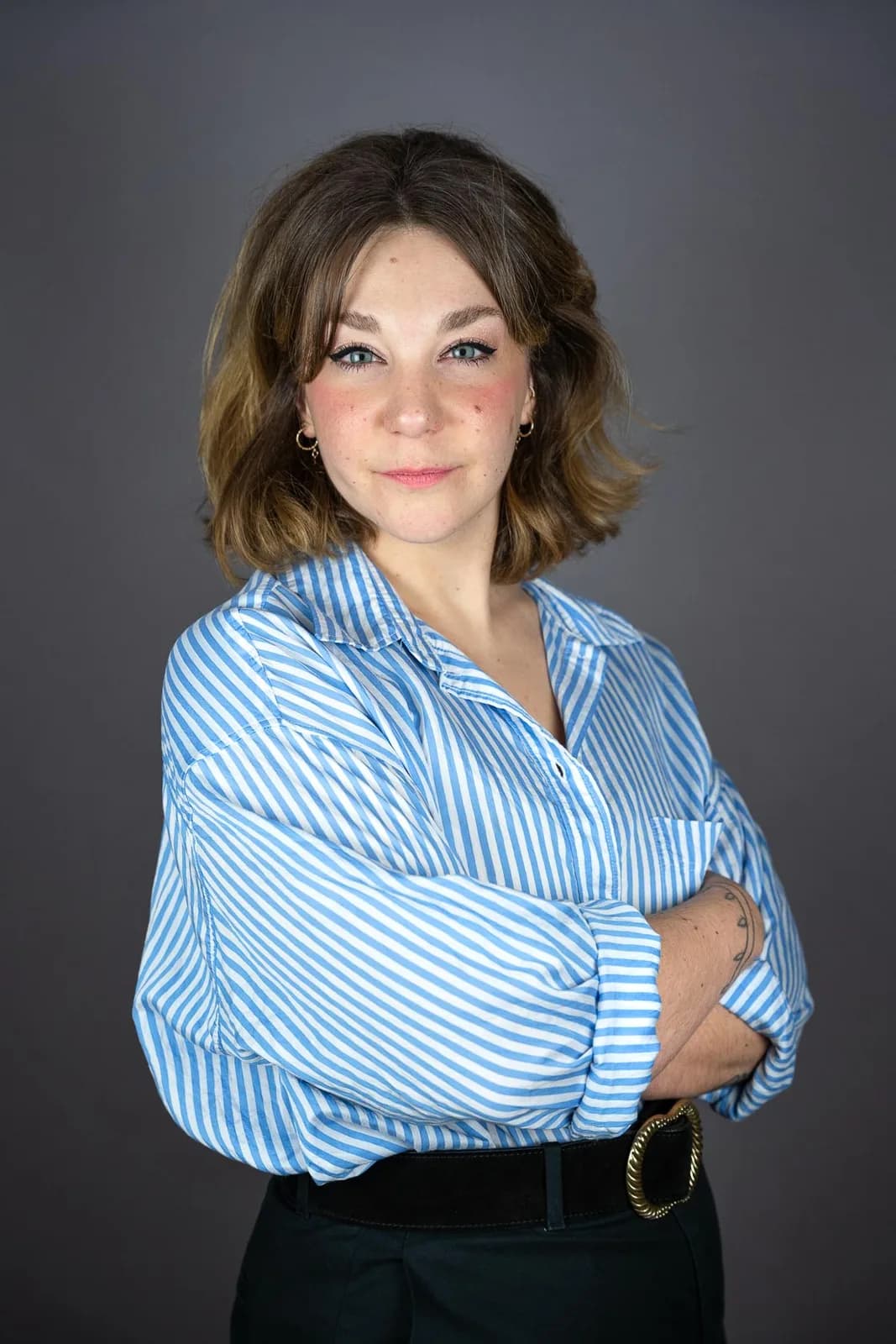
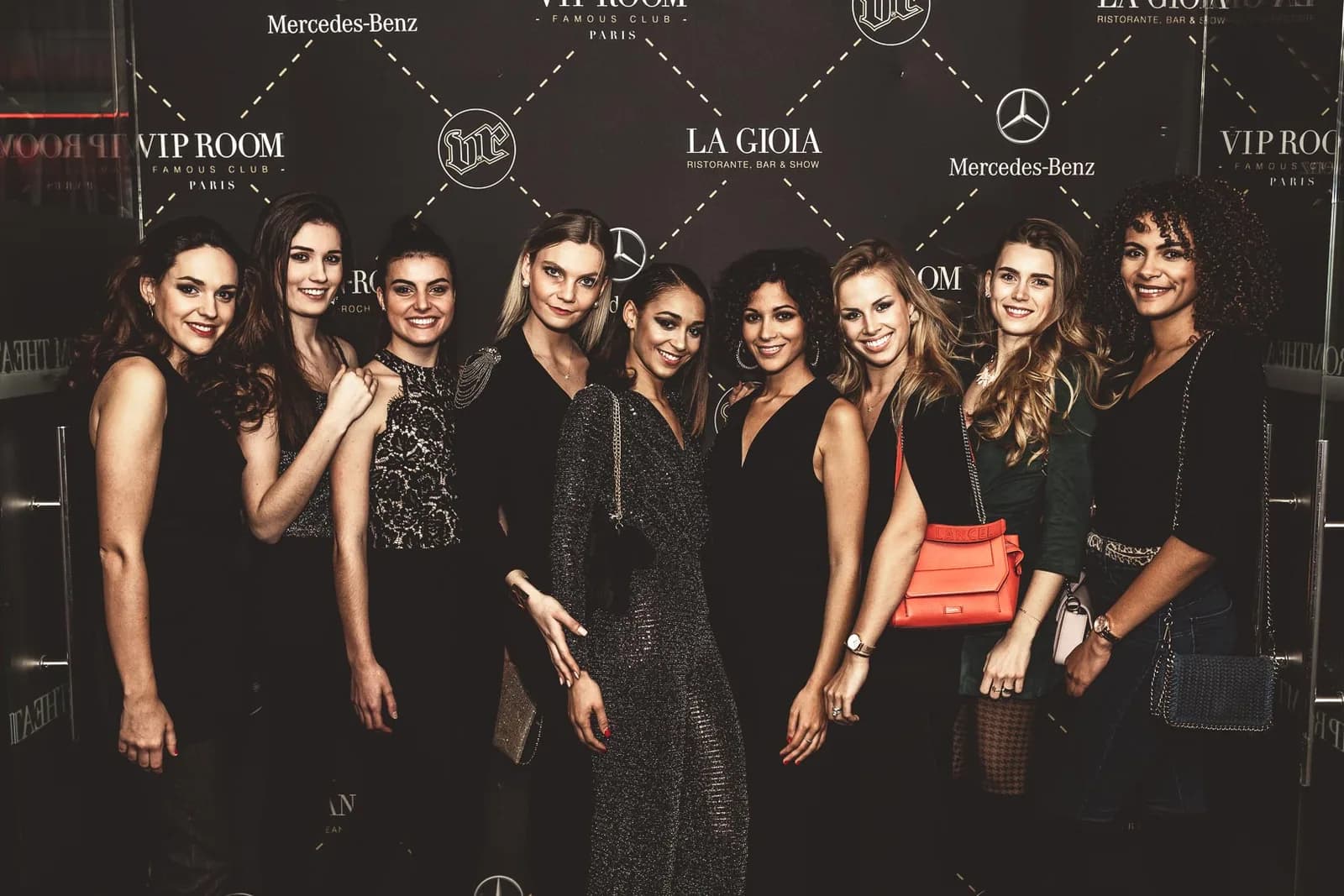
For a corporate portrait, the objective changes slightly: to inspire confidence and competence. Stand up straight, shoulders open, chin forward as described above. A stable posture and a direct gaze into the camera are enough to project confidence effortlessly.
As for your outfit, keep it simple: solid colors, clean lines, nothing that distracts from your face. A slight smile, neither stiff nor forced, remains the best choice for a professional and approachable portrait.
Frequently Asked Questions
How to be more photogenic?
Focus on the angle rather than the face: position yourself at a three-quarter angle, push your chin forward and lower it slightly, and relax your shoulders. Add good lighting and the guidance of a photographer.
What to do with your hands in a photo?
Keep them occupied to avoid tension: a hand in a pocket, on the hip, or holding the collar of a jacket. Keep them relaxed and show their side rather than their back.
How to make your figure look good in a photo?
Stand at a three-quarter angle, shift your weight onto your back leg and lift your arms slightly away from your torso to keep a visible space at the waist: these lines structure the image and give it dynamism.
How to relax in front of the camera?
Breathe before each shot and relax your shoulders as you exhale. Unclench your jaw, move between poses, laugh to bring back a genuine smile.
Never miss an article?
One email whenever a new guide is published, nothing else.
Read also
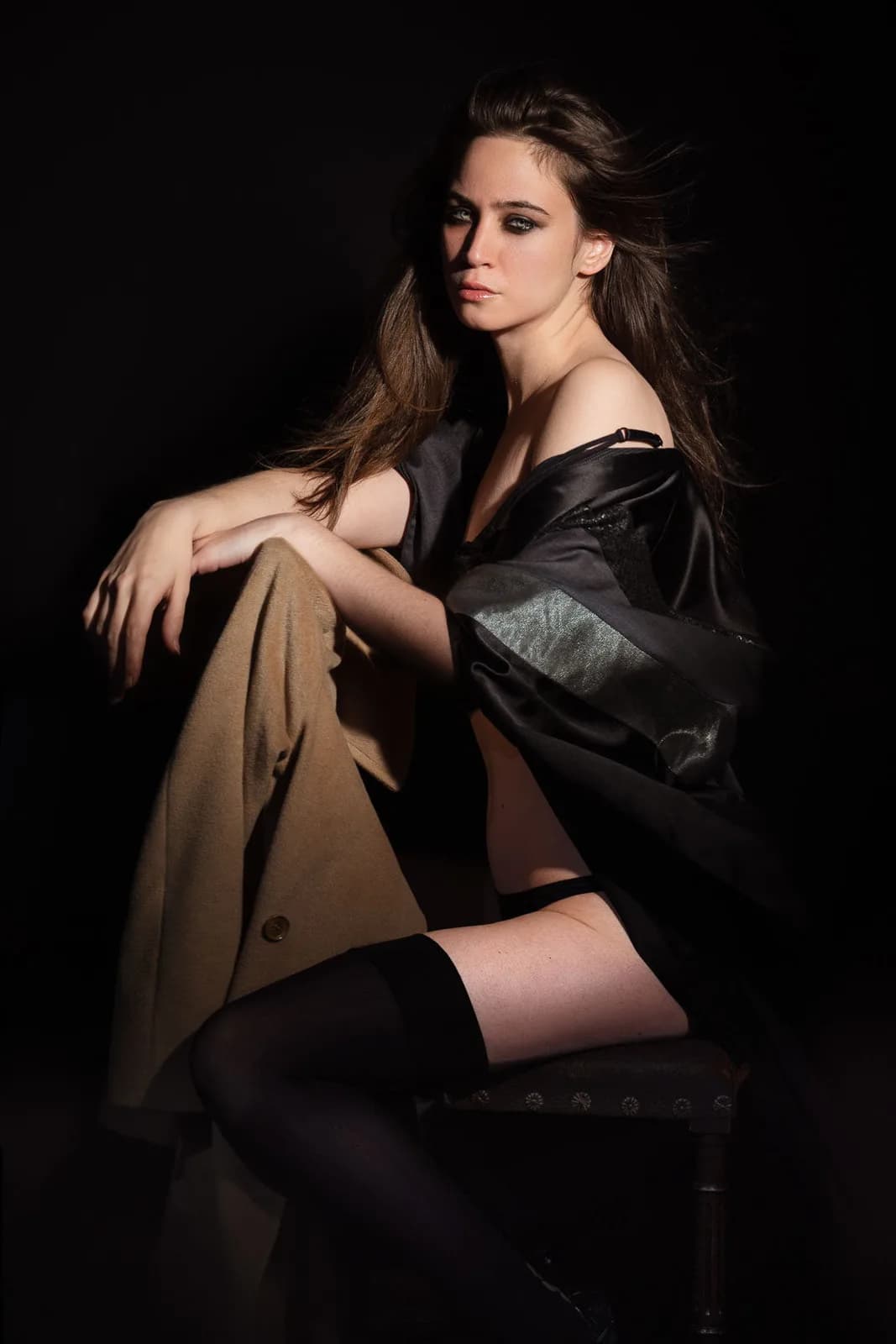
A photo project in Paris?
Note 5,0 on 171 Reviews. Clear quote and online booking in just a few clicks.